
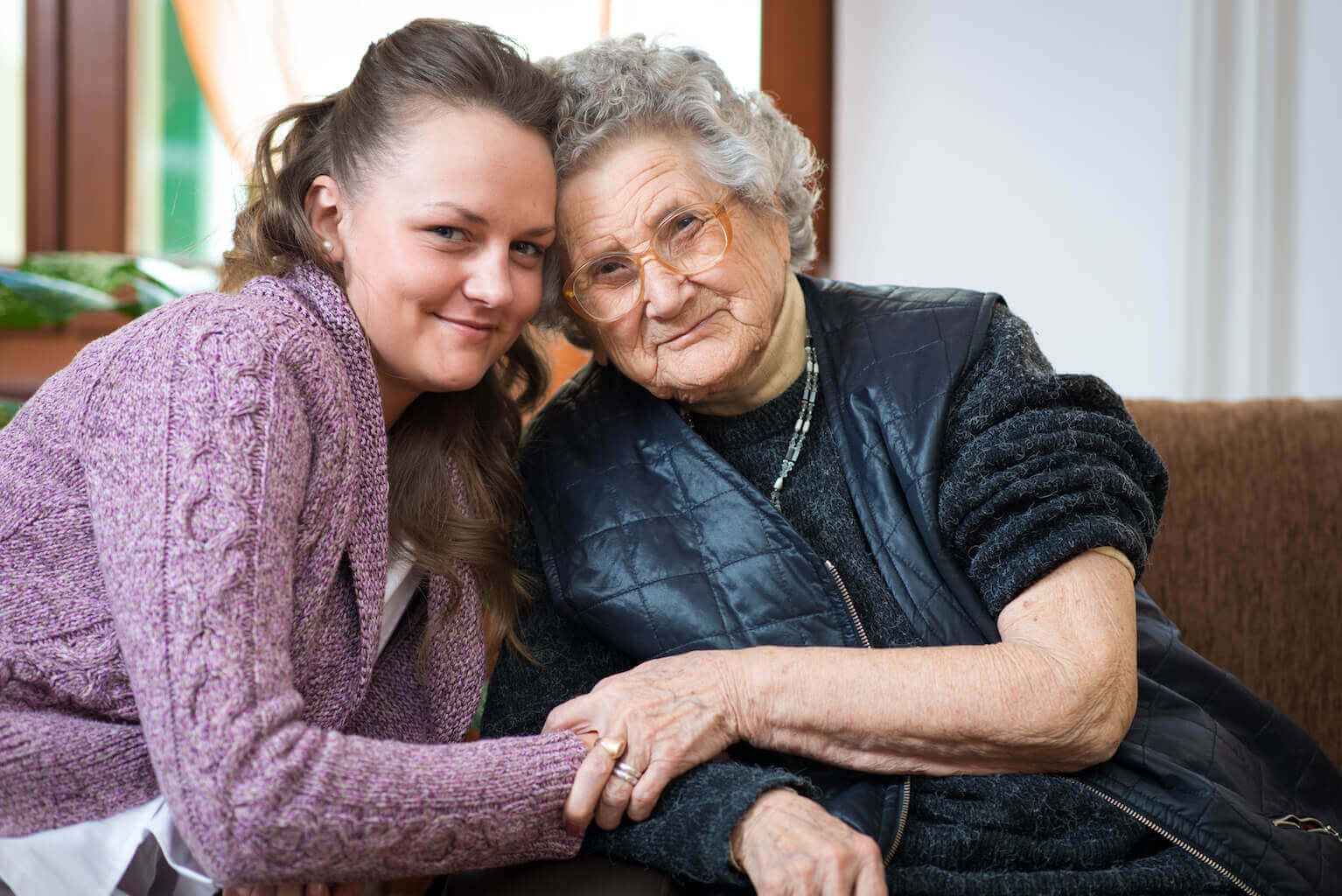
For many people in midlife, the stage that precedes becoming the older generation entails caring for elderly parents or other loved ones. It’s a fairly invisible and often under-appreciated role, yet the price tag for informal caregiving of U.S. elders by friends and relatives is a staggering $522 billion a year, according to a RAND Corporation study.
If these unskilled family members were replaced with skilled nursing care, the cost would jump to $642 billion annually.
“Three out of five caregivers also are in the labor force. Working-age people under age 65 provide 22 billion of those 30 billion caregiving hours, and they often lose income due to reduced work hours,” reports the study. Not to mention losing sleep, quality of life and relationships, and often their own health.
Family caregivers would be wise to have a list ready, so that when a friend or neighbor asks, “What can I do to help?” you’re prepared with responses such as: cook dinner, do an errand, give me an hour’s break to take a nap, etc.
But the biggest challenge is getting Mom or Dad to admit they need help in the first place.
Who’s That In the Mirror?
Many older adults, accustomed all their lives to independence, do not want to think about the aging process, certain they’ll be the exception to any aging-related events, such as a fall. Yet over half of those 80 and older fall every year. And this is just one possible circumstance that could necessitate the need for a different living arrangement, or for a caregiver.
As driving becomes more difficult or even dangerous, as shopping for and preparing food, or doing household chores such as cleaning and laundry, become more challenging, daily life can metamorphose into a slippery slope. And while hiring in-home assistance is a viable option, many seniors — especially women living alone — are opposed to giving strangers access to their home.
Clearly, caregiving is an essential need — but not one that family members can (or should) necessarily fulfill themselves. Caregiver burnout is common, and as the RAND study makes clear, the cost in terms of their own health and well being is great. So given this disconnect between elder wants and needs, what can a family do?
Help Is At Hand
The good news is, there are various professional options for competent, compassionate caregiving. The key is knowing what resources are available — and for families to reach out and request assistance.
An all-in-one solution alleviates the stress of relying on a single individual, whether that’s a family member or a hired caregiver. TrueCare24 offers a range of professional services, from a caregiver to help with tasks such as bathing, dressing, cooking, etc.; to skilled nursing services, house call doctors, and onsite lab test and x-rays. Whatever type of care your elder requires, our full service, at-home solution means you can breathe easier, knowing your loved one is being well taken care of, right in their own home.
What’s more, you’ll know ahead of time exactly what the service will cost, and whether your insurer covers all or part of it. We know that complete, transparent care, available any time you need it, equates to peace of mind.
